
What Is the Next Step After a Real Estate Contract Is in Place?
Download Our Free Real Estate Guide
Are you wondering what happens after a real estate contract is in place? Watch this video featuring Buffalo real estate attorney Richard H. Cole.
- Between signing the contract and closing, the parties must complete the requirements and contingencies contained in their particular agreement. The precise sequence can vary based on the contract, property, financing, and local practice.
- If the parties signed an offer or agreement containing an attorney-approval provision, their attorneys must complete that review within the stated deadline. Because a real estate agreement may become binding when signed, buyers and sellers should have an attorney review the documents before signing whenever possible.
- If the contract contains an inspection contingency and the inspection was not completed before signing, the buyer arranges the inspection within the contractual deadline. Depending on the contract and the findings, the buyer may accept the property, request permitted repairs or credits, attempt to negotiate, or exercise any cancellation right provided by the agreement.
- If the purchase is being financed, the buyer completes the lender’s application and provides the requested financial and property information. The lender may order an appraisal and impose conditions that must be satisfied before issuing a commitment or clearing the loan for closing.
- The buyer’s attorney or title provider generally arranges for the title search or continuation needed to examine ownership, liens, judgments, taxes, and other possible title issues. In some Western New York transactions, the seller may provide an existing abstract of title, survey, tax information, mortgage payoff information, or other documents for review and updating. The parties’ responsibilities depend on the contract and local practice.
- After reviewing the title materials, the buyer’s attorney identifies any objections or documents required for closing. The seller and seller’s attorney then work to resolve applicable title defects and prepare the deed, transfer documents, mortgage satisfactions, payoff materials, and other required papers.
- Before closing, the lender must issue its final clearance when financing is involved. The parties and their attorneys also confirm the closing figures, adjustments, required funds, insurance, and documents. The buyer ordinarily conducts a final walkthrough under the terms of the contract.
- At closing, the parties sign the required documents, funds are transferred, applicable loans and expenses are paid, and the deed is delivered for recording. The exact closing procedure may differ depending on the transaction.

Should You Buy a House in New York Before the End of 2026? What Buyers Need to Know
Buying a house in New York before December 31, 2026, can make sense if you [...]
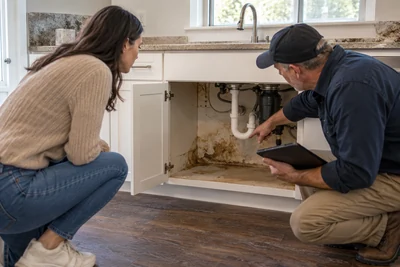
Who Pays for Repairs Discovered Before a New York Home Closing?
When a home inspection or final walkthrough reveals a repair issue before a New York [...]

When a Buffalo Home Appraisal Comes in Below the Purchase Price
If a home appraisal comes in below the purchase price, the sale does not automatically [...]