
Selling a home during the winter months in Buffalo can pose a series of challenges—weather delays, market shifts, and logistical hurdles. While these factors might seem daunting, you can take proactive legal steps to ensure a smooth transaction and avoid unnecessary setbacks. This guide provides essential legal tips for selling a home in Buffalo in the winter, focusing on how to protect your interests and manage the unique aspects of winter sales.

Richard H. Cole
Partner

Thomas F. Hewner
Partner

Donna L. Haslinger
Partner

Keith R. Rosso
Attorney

Tyler I. Wood
Attorney

Marc A. Cangé
Attorney

Teresa M. Cappiello
Attorney
The Unique Challenges of Selling a Home in Buffalo in Winter 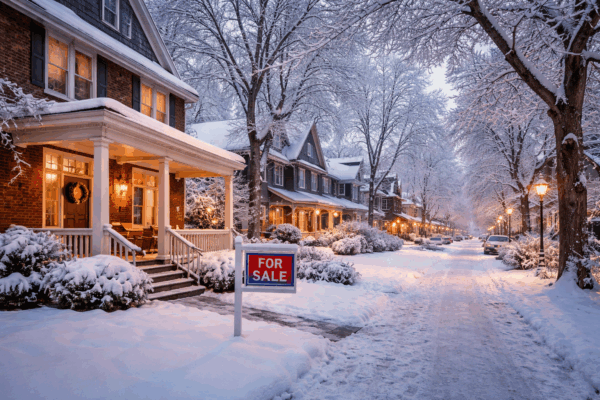
Buffalo’s winters are known for their harsh conditions, including snowstorms, freezing temperatures, and slippery roads. For homeowners trying to sell, these elements can significantly delay the process. Weather conditions often make it harder to schedule showings, inspections, and appraisals, which can stall your closing date. Moreover, the real estate market tends to slow down during the winter months, which might make it more difficult to attract serious buyers.
These challenges, while significant, are not insurmountable. By preparing ahead and understanding your legal obligations, you can navigate the complexities of a winter home sale without unnecessary delays. From ensuring that your property is safe to managing contingencies in the contract, there are several key legal aspects to consider.
Legal Responsibilities for Property Maintenance During Winter
As the seller, you are legally required to maintain your property throughout the sale process. This is especially important in the winter when snow and ice can create hazardous conditions. Keeping walkways clear of snow and ensuring that there are no slip hazards is a legal responsibility. Failing to do so could lead to liability if a potential buyer or their agent is injured while touring your home.
Ensure that you are adequately documenting your efforts to maintain the property. Keep a log of when snow removal was performed and if any other weather-related issues arose that required immediate attention. This documentation can be crucial if any legal disputes arise after the sale.
Additionally, it’s important to address potential issues caused by the winter weather that could affect the sale. For example, if the freezing temperatures have caused any damage to plumbing or the roof, these issues should be disclosed to the buyer before proceeding. Failure to disclose these issues could result in a lawsuit or breach of contract claims.
Preparing for Weather-Related Delays in the Transaction Process
Winter weather can cause significant delays in the home-selling process. Appraisers, inspectors, and other professionals involved in the sale may not be able to reach your property if the roads are impassable due to snow. It’s crucial to plan ahead for such delays and include provisions in your contract that protect both you and the buyer.
Incorporate clauses into your sale agreement that account for potential delays caused by weather. For example, you could allow extra time for the completion of inspections, appraisals, and other steps in the process. This flexibility ensures that the buyer understands the risks of winter weather and is not surprised if certain procedures take longer than anticipated.
Further, if you are in a rush to sell before the end of the year for tax purposes, having a flexible closing date could be essential. Winter storms and hazardous conditions often delay closings, so you should discuss with your real estate attorney or agent how to manage this potential hurdle.
The Importance of Contingencies in the Sale Contract
One of the most important legal steps in selling a home during winter is including contingencies in your contract. A contingency is a provision that allows either the buyer or the seller to back out of the sale without penalty if certain conditions are not met. Winter weather can affect inspections, appraisals, and the closing process, and contingencies help protect both parties in these situations.
Consider adding a “weather contingency” clause to your contract. This would provide extra time for appraisals and inspections if winter storms or extreme cold prevent these steps from occurring. You should also include language that allows for a delay in the closing date if there are any weather-related issues. This way, both you and the buyer can have peace of mind, knowing that the contract can be adjusted if necessary.
For example, a clause could specify that if an inspection or appraisal is delayed due to weather conditions, the closing date will be pushed back by a certain number of days to accommodate these delays. By being proactive and including clear terms in the contract, you can prevent misunderstandings and potential legal disputes later on.
Why Do You Need a Real Estate Broker? Attorney Approval ProcessRelated Videos
Navigating Property Inspections and Appraisals in the Winter
In Buffalo, winters can be particularly harsh on properties, leading to issues that may not be immediately apparent during a showing. Snow and ice can cover potential problems, such as a leaking roof or damaged pipes. These issues may only come to light during an inspection or appraisal, and addressing them before the sale process begins can help avoid delays or complications.
If you know that your home might have weather-related problems, such as roof damage from heavy snow or potential freezing of the pipes, make sure to disclose these issues upfront. While it’s tempting to wait until after the inspection to address the issues, failing to disclose them could result in costly repairs and delays, as well as damage to your reputation.
You should also consider scheduling pre-inspections before listing your home. This proactive step can help you identify and address issues early, ensuring that the buyer’s inspector will not uncover unexpected problems that could derail the deal.
In addition, remember that in winter, appraisers may face challenges in assessing the exterior condition of the property due to snow or ice. You may need to provide additional information or documentation to assist the appraiser in determining the property’s value.
Clear and Honest Disclosures Are Essential
Wintertime sales often come with additional concerns related to the condition of the home. For example, if there is any water damage caused by snowmelt or ice damming, it’s important to disclose this information to the buyer. Legal transparency is key in avoiding disputes down the road.
Make sure that any known winter-related damage is documented and disclosed before the buyer proceeds with the purchase. Failure to disclose these issues could lead to lawsuits for misrepresentation, and in some cases, the buyer may be entitled to compensation or a cancellation of the sale.
Finalizing the Sale: Ensuring a Smooth Closing in Winter
The closing process can be particularly stressful during the winter months due to potential weather delays. To avoid last-minute complications, work closely with your real estate attorney and agent to ensure that all documents are prepared in advance and ready to go. Flexibility and preparation are key.
Consider allowing extra time for the buyer to finalize their mortgage and other paperwork, especially if they are dealing with weather-related delays. If snow or ice is preventing them from visiting the property or finalizing inspections, be prepared to adjust your closing date as necessary.
Selling a home in Buffalo during the winter is certainly not without its challenges, but by following these legal tips, you can navigate the process more smoothly. From ensuring your property is properly maintained to being proactive about contingencies and disclosures, taking the necessary steps now can help you avoid delays and legal issues later on. For further assistance, consider working with a skilled real estate attorney at Cole, Sorrentino, Hurley, Hewner & Gambino, P.C. to guide you through the legal complexities of winter home sales.