
Spring in Buffalo brings unpredictable weather, wet roads, and increased traffic, creating a higher risk for car accidents. Drivers, pedestrians, and cyclists face hazards from melting snow, rain, and early-season debris. If you are involved in a spring accident, collecting the right evidence can significantly strengthen your personal injury claim. Attorneys at Cole, Sorrentino, Hurley, Hewner & Gambino, P.C. understand the challenges local drivers face and can guide clients through the steps needed to preserve evidence and pursue fair compensation. This guide explores the types of evidence that matter most, why each is important, and practical steps for securing it.

Richard H. Cole
Partner

Thomas F. Hewner
Partner

Donna L. Haslinger
Partner

Keith R. Rosso
Attorney

Tyler I. Wood
Attorney

Marc A. Cangé
Attorney

Teresa M. Cappiello
Attorney
Understanding Spring Accident Risks in Buffalo 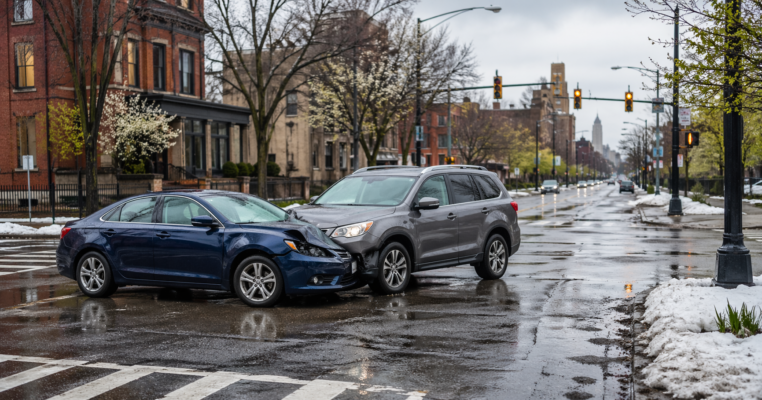
Buffalo experiences a dramatic transition between winter and spring, which presents unique dangers for drivers. Melting snow leaves behind wet, slick surfaces and exposes potholes that have developed over months of freeze-thaw cycles. These potholes can damage tires, suspension, or even cause a driver to lose control. Sudden spring rainstorms reduce visibility, increase stopping distances, and contribute to hydroplaning, especially on untreated roads. Additionally, construction projects commonly begin in early spring, altering traffic patterns and creating hazards like open trenches, temporary detours, and loose gravel. Finally, pedestrians and cyclists increase their presence on roads and sidewalks as temperatures rise, creating additional collision risks. Together, these seasonal conditions cause a measurable uptick in accidents, particularly in March, April, and May, when drivers may still be adjusting to changing road conditions after winter.
The Importance of Prompt and Thorough Documentation
After a spring accident, immediate and meticulous documentation can be decisive in a personal injury claim. Evidence collected at the scene, combined with medical records and repair invoices, can establish liability, demonstrate damages, and support compensation claims. Delays or failure to preserve evidence can weaken your position and give insurance companies grounds to dispute your claim. In Buffalo, where road and weather conditions fluctuate rapidly, capturing accurate, real-time information is critical.
Police Reports
Police reports are an official record of the accident and are typically among the first pieces of evidence collected. They provide names, contact information, insurance details of involved parties, statements from witnesses, and an officer’s assessment of fault. Having a formal report strengthens a claim by offering a neutral third-party account and can be invaluable if the case proceeds to court. Ensure you request a copy of the report promptly, as delays can make it more difficult to correct inaccuracies or supplement details.
Photographs and Videos
Visual documentation is crucial to convey the extent of the accident and surrounding conditions. Photographs should include multiple angles of vehicle damage, tire marks, debris, potholes, traffic signs, and intersections. If possible, record videos of the scene to capture dynamic elements, such as ongoing traffic, the slope of the roadway, or water accumulation. Photographs of personal injuries immediately after the collision can support claims for medical expenses and pain and suffering. Consistent, high-quality images create a clear and compelling record of the incident.
Witness Statements
Eyewitness accounts can corroborate your recollection of the accident and fill in details that may not appear in official reports. Collect contact information and, if possible, written or recorded statements describing what they saw, including any observations about driver behavior or road conditions. Independent witnesses can lend credibility to claims of negligence and help establish liability when fault is contested. Buffalo residents familiar with local traffic patterns may provide insights that are especially relevant in determining cause.
Medical Documentation
Prompt medical evaluation and comprehensive record-keeping are essential components of a strong personal injury claim. Keep detailed records of initial treatments, diagnostic imaging such as X-rays or CT scans, physician notes, and rehabilitation records. These documents demonstrate the severity of injuries and establish a clear connection to the accident. Maintaining consistency in medical records, including follow-up visits, strengthens claims for both current and ongoing care, as well as for lost wages or diminished quality of life.
Vehicle and Repair Records
Documentation of vehicle damage and repair expenses substantiates claims for property damage and loss of use. Keep repair estimates, invoices, and receipts for alternative transportation or rental vehicles. If available, records showing the pre-accident condition of the vehicle help distinguish new damages from pre-existing conditions. These records are particularly important in cases involving multiple parties or disputes over repair costs.
Traffic Camera and Dashcam Footage
Objective footage from traffic cameras or dashcams can clarify how an accident occurred. It can capture the actions of other drivers, the sequence of events, and contributing factors like traffic signal timing or road obstructions. Promptly request access to any video, as many recordings are automatically overwritten within days. Video evidence can be compelling for both insurance negotiations and court presentations, offering an unbiased perspective on liability.
Preserving Evidence for Maximum Impact
Proper preservation of evidence is vital. Secure all physical remnants of the accident, including vehicle parts, debris, or personal property damaged in the collision. Store photographs and videos in multiple locations, such as cloud storage and external drives, to prevent accidental loss. Avoid discarding clothing, helmets, or other items that may show damage from the accident until a lawyer advises. Early, thorough evidence collection often makes the difference in reaching a successful resolution.
Common Scenarios in Buffalo Spring Accidents
- Rear-end collisions on slippery streets: Skid marks and dashcam footage demonstrate speed and braking distance.
- Intersection accidents: Traffic camera recordings and witness statements clarify right-of-way disputes.
- Multi-vehicle pile-ups: Repair invoices, photographs, and eyewitness accounts illustrate causation and damages.
- Pedestrian or cyclist accidents: Medical documentation and scene photographs confirm injuries and help identify responsible parties.
The impact of seasonal hazards means that even minor incidents can produce significant injuries or property damage. Detailed documentation helps ensure that victims are not undercompensated.
How Attorneys Can Assist
Buffalo personal injury attorneys from Cole, Sorrentino, Hurley, Hewner & Gambino, P.C. provide comprehensive support in handling claims after spring accidents. They can guide clients through evidence collection, coordinate with medical providers, communicate with insurers, and represent clients in negotiations or litigation. Attorneys leverage local knowledge, including familiarity with traffic patterns, seasonal hazards, and common insurance practices, to strengthen claims and protect clients’ rights. Their expertise ensures that critical deadlines are met and evidence is properly preserved.
Steps to Take After an Accident
- Ensure the safety of all parties and seek medical attention.
- Contact local police to report the incident and obtain a copy of the report.
- Collect photographs, videos, and witness contact information.
- Maintain detailed medical records and repair documentation.
- Consult a Buffalo personal injury attorney to review your case and develop a strategy for recovery.
Taking these steps promptly can preserve evidence and improve the likelihood of a favorable outcome.
Spring in Buffalo presents heightened risks for car accidents due to wet roads, potholes, and increased pedestrian activity. Collecting and preserving police reports, photographs, witness statements, medical records, repair invoices, and traffic camera footage is essential to support personal injury claims. Engaging experienced attorneys at Cole, Sorrentino, Hurley, Hewner & Gambino, P.C. early in the process ensures that evidence is collected correctly, claims are handled efficiently, and clients’ legal rights are protected. A well-documented case increases the chance of securing fair compensation and provides peace of mind during recovery.
This information is for educational purposes and is not legal advice. Consult an attorney regarding your specific circumstances.