
Estate planning becomes especially important when you have a blended family. Blended families may include children from prior relationships, stepchildren, half-siblings, and former spouses. Creating a plan that reflects these relationships can be challenging, but careful planning can reduce uncertainty and conflict later.
Estate planning for a blended family can help coordinate how property will pass, who will make decisions if you become unable to act, and how your spouse, children, and stepchildren should be provided for. At Cole, Sorrentino, Hurley, Hewner & Gambino, P.C., we help families evaluate these decisions and create estate plans suited to their circumstances.

Richard H. Cole
Partner

Thomas F. Hewner
Partner
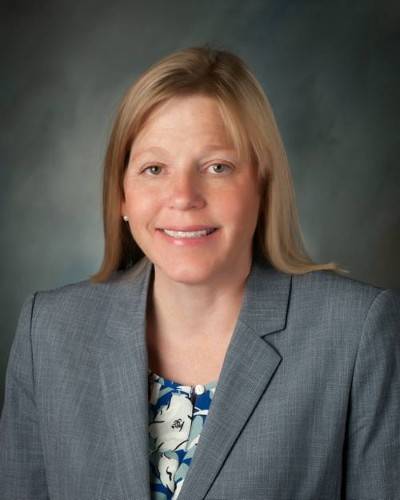
Donna L. Haslinger
Partner

Keith R. Rosso
Attorney

Marc A. Cangé
Attorney

Teresa M. Cappiello
Attorney
Understanding Estate Planning for Blended Families
Estate planning involves organizing your property and deciding how it should be managed during your lifetime and distributed after your death. A blended family may require additional planning because parents may have children from previous relationships as well as children with their current spouse. A stepparent may also want to provide for a stepchild who would not otherwise inherit under New York’s intestacy laws unless the child was legally adopted.
If you die without a valid will, the property in your probate estate will generally be distributed under New York intestacy law. Other assets, including life insurance, retirement accounts, jointly owned property, and accounts with payable-on-death designations, may pass according to their beneficiary designations or ownership arrangements instead.
A coordinated estate plan can address goals such as allowing a surviving spouse to remain in the family home while preserving other assets for children from a previous relationship. Achieving those goals may require more than a will; property ownership, beneficiary designations, trusts, and the surviving spouse’s legal rights must also be considered.
Communication in Blended-Family Estate Planning
Open communication can be valuable when developing an estate plan for a blended family. Financial matters are not always discussed openly, but a lack of communication may create misunderstandings about a person’s intentions. When appropriate, discussing the general goals of the plan can help family members understand the decisions being made.
Communication with a current spouse is especially important. Married couples may assume that each spouse will inherit everything from the other, but that may not reflect the goals of someone who also wants to provide directly for children from a previous relationship. An estate-planning attorney can help identify strategies that balance these competing interests while accounting for the surviving spouse’s rights under New York law.
Wills and Trusts for Blended Families
A will allows you to direct the distribution of property that becomes part of your probate estate. It can also nominate an executor and, when minor children are involved, state your preference for a guardian. However, a will ordinarily does not control property that passes through joint ownership or a valid beneficiary designation.
Trusts may also be useful for blended families. A properly drafted trust can establish when and how property will be distributed and may allow assets to benefit a surviving spouse during the spouse’s lifetime before passing to children or other beneficiaries.
One possible planning arrangement is a qualified terminable interest property, or QTIP, trust. When the legal and tax requirements are satisfied, a QTIP trust may provide a qualifying income interest to a surviving spouse while allowing the person who created the trust to designate who receives the remaining property after the spouse’s death. QTIP trusts involve detailed tax and drafting requirements and are not appropriate for every estate.
Related Videos
Why Do You Need a Real Estate Broker?
Attorney Approval Process
Consider Potential Tax Implications
Estate, gift, income, and capital-gains taxes may affect an estate plan. New York imposes a separate estate tax, and federal estate-tax rules may also apply. Whether tax is owed depends on factors including the value and type of property, applicable exclusion amounts, prior gifts, ownership arrangements, and the law in effect at the time of death.
Trusts do not automatically eliminate estate taxes, and lifetime gifts may have gift-tax, estate-tax, Medicaid-planning, and income-tax consequences. Certain transfers can also affect the recipient’s tax basis in the property. Before transferring property or creating a trust for tax purposes, consider consulting an estate-planning attorney and a qualified tax professional.
Handling Stepchildren in Estate Planning
Stepchildren are not automatically entitled to inherit from a stepparent under New York intestacy law unless they were legally adopted. If you want a stepchild to receive property, identify that person clearly in your will, trust, or applicable beneficiary designation.
Using each beneficiary’s full legal name and clearly describing the intended gift can help reduce ambiguity. Your documents should also address what happens if a beneficiary dies before you. These details are particularly important when a plan includes biological children, adopted children, stepchildren, or children from multiple relationships.
Guardianship and Minor Children
Parents of minor children may state their preferred guardian in a will. That nomination is important evidence of the parent’s wishes, but it does not automatically appoint the nominated person. A New York court ultimately determines whether a guardian should be appointed and who would serve the child’s best interests.
If another legal parent survives, that parent’s rights generally do not disappear merely because someone else was nominated in a will. A stepparent also does not automatically receive parental or guardianship rights. Families concerned about guardianship should discuss their circumstances with an attorney and make sure their estate documents, beneficiary arrangements, and plans for the child’s financial support work together.
Updating Beneficiary Designations
Life insurance policies, retirement accounts, and other beneficiary-designated assets should be reviewed regularly. These designations may control who receives an asset regardless of what a will says.
New York law may revoke certain revocable dispositions or beneficiary designations in favor of a former spouse following a divorce, annulment, or qualifying judicial separation. However, exceptions, federal law, plan documents, and the specific terms of an account can affect the result. Do not rely on divorce alone to update an estate plan. Review every designation directly with the financial institution or plan administrator and obtain any required spousal consent.
If you want to provide for both a current spouse and children, simply assigning percentages may not always produce the intended tax or financial result. An attorney and financial or tax adviser can help coordinate these designations with the rest of the estate plan.
Choosing an Executor or Trustee
An executor administers the probate estate under a will, while a trustee manages property held in a trust. These roles involve significant responsibilities, including safeguarding property, maintaining records, paying valid expenses and taxes, and distributing property according to the governing documents and applicable law.
In a blended family, selecting a person who can act fairly and communicate effectively may help reduce conflict. Depending on the size and complexity of the estate, a neutral individual, qualified professional, or authorized corporate fiduciary may be appropriate. Before naming someone, discuss the role with that person and consider naming suitable successors.
Estate planning for a blended family may involve wills, trusts, powers of attorney, health care documents, beneficiary designations, and property-ownership arrangements. These components should be reviewed together so that one document does not unintentionally undermine another.
When you are ready to create or update your estate plan, Cole, Sorrentino, Hurley, Hewner & Gambino, P.C. can help you evaluate your options. Contact us to discuss an estate plan designed around your family relationships, property, and long-term goals.