
In Buffalo, the end of winter brings hope of spring, but the lingering cold and unpredictable weather conditions often result in increased workplace injuries. At Cole, Sorrentino, Hurley, Hewner & Gambino, P.C., we’ve seen firsthand how end-of-season conditions create safety hazards that lead to more claims during March. Despite the season officially shifting to spring, workers still face hazardous conditions such as ice, snow, and fluctuating temperatures, which can result in preventable injuries.

Richard H. Cole
Partner

Thomas F. Hewner
Partner

Donna L. Haslinger
Partner

Keith R. Rosso
Attorney

Tyler I. Wood
Attorney

Marc A. Cangé
Attorney

Teresa M. Cappiello
Attorney
As the final stretch of winter approaches, the weather in Buffalo can change drastically, with snowstorms, thawing temperatures, and freezing rain contributing to dangerous environments. These environmental risks are amplified by the fatigue that sets in after a long winter, both for workers and employers. Proper preparation is essential to mitigate these risks and protect employees from harm.
Unpredictable March Weather in Buffalo 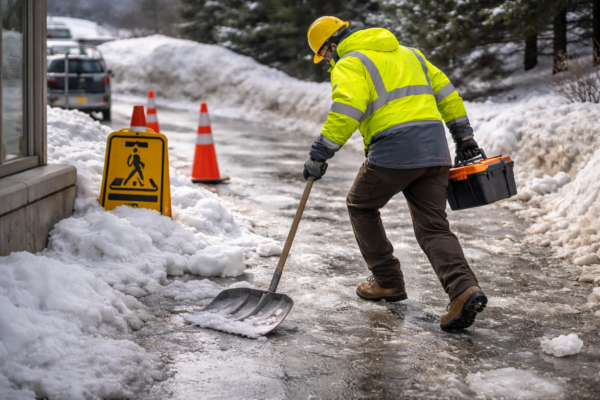
One of the main reasons for the rise in injuries during this time is the erratic weather that often causes hazardous conditions. In March, the promise of spring is tempered by unpredictable weather patterns that can change from day to day, or even hour to hour. While snowstorms may hit suddenly, the warmer temperatures can cause the snow to melt, only to refreeze overnight, creating dangerous ice patches that lead to slips and falls.
The Risk of Slips, Trips, and Falls
Slips, trips, and falls are the most common workplace injuries in March. With melting snow that refreezes overnight, many walkways become dangerously slick. This is especially true in areas like parking lots, sidewalks, and stairways. Even the most cautious workers can find themselves caught off guard by unexpected ice patches, which can lead to severe injuries such as broken bones, sprained ankles, or head trauma. These types of accidents are even more likely when employers fail to salt or clear walkways regularly.
Employers must make sure that all pathways leading into the workplace are cleared of ice, snow, and any other debris. Failure to maintain clear and safe access points can result in injury claims that could have been prevented with a little effort. In addition, workers must be vigilant about the surfaces they walk on, even if they think they know the conditions.
The Impact of Unstable Roofs and Heavy Snowfall
In addition to the risk of slipping, another hazard that increases in March is the potential danger from unstable roofs. March weather can cause snow to accumulate on roofs, especially after a warm spell followed by freezing temperatures. As the snow begins to melt, it can become heavy and unstable, potentially falling off the roof unexpectedly.
For workers in construction, maintenance, or warehouse environments, the risk of falling ice or snow is significant. Roofing crews or maintenance personnel working near the edges of buildings may face severe dangers if they do not take extra precautions when removing snow. Employers should ensure that these employees are equipped with the right safety gear, including harnesses and helmets, to avoid accidents.
The Threat of Cold Stress and Frostbite
Though it might feel like winter is over, the chill in the air still poses a serious risk to workers who must spend long hours outside. Cold stress is a serious concern, especially in the months leading into spring. Workers exposed to freezing temperatures for extended periods of time are at risk for conditions like frostbite and hypothermia.
Employers in outdoor industries, such as construction or delivery services, must be aware of the risks associated with cold weather and ensure workers are protected from the elements. This means providing insulated clothing, offering shelter when needed, and ensuring that employees take regular breaks to warm up.
What is Workers' Compensation? Do You Need a Workers' Comp Lawyer in New York?Related Videos
End-of-Season Fatigue and Lack of Preparedness
As winter drags on, workers can begin to feel mentally and physically exhausted from enduring long periods of cold, snow, and hazardous conditions. This fatigue can lead to lapses in judgment, slower reflexes, and a reduced awareness of potential hazards. These factors contribute to the higher rate of workplace injuries in March.
Furthermore, employers may become less vigilant about maintaining workplace safety during the final stretch of winter. The end of the season can cause many to lower their guard and assume that the worst is behind them. However, this is precisely when accidents are most likely to happen. The last thing workers or employers want is to face a preventable injury claim due to neglecting safety measures.
How Employers Can Prevent March Injuries
While March may bring an end to winter, the hazards that come with the transition should not be ignored. By taking proactive measures, employers can significantly reduce the risk of injuries.
- Regularly Salt and Clear Walkways
To prevent slips and falls, make sure that all walkways, parking lots, and entry points are salted or sanded regularly. This can be done even during the occasional thaw when ice is more likely to form overnight. - Monitor Roof Conditions
Inspect roofs regularly to ensure that there is no dangerous snow or ice accumulation. It’s essential to clear off any snow or ice that could pose a risk to workers below. Additionally, when possible, use guardrails or netting around high-risk areas to protect against falling debris. - Address Cold Stress
Make sure outdoor workers are equipped with proper cold-weather gear to prevent frostbite and hypothermia. Provide warm rest areas and ensure employees take breaks to avoid cold stress. - Encourage Safe Practices
Encourage employees to always wear proper footwear with slip-resistant soles and to be mindful of ice and snow when entering or exiting buildings. Safety training should include specific guidance on how to handle winter-related hazards. - Conduct Thorough Inspections
Don’t neglect workplace maintenance toward the end of the season. Regularly inspect your property to ensure that all safety measures are in place, including clearing snow from roofs, salting walkways, and maintaining proper lighting.
Understanding the Legal Implications
Injuries resulting from unsafe work conditions can have legal consequences. When workers are injured due to employer negligence, they may file workers’ compensation claims or lawsuits, leading to significant financial costs for businesses. This is why it is important for employers to take proactive steps in reducing risk and fostering a culture of safety. At Cole, Sorrentino, Hurley, Hewner & Gambino, P.C., we understand the legal complexities surrounding workplace injuries and can provide guidance if you’re dealing with a claim.
The end of winter in Buffalo may bring the hope of warmer weather, but the dangers of March weather shouldn’t be overlooked. Icy walkways, unstable roofs, and cold stress can lead to an increase in workplace injuries, resulting in unnecessary claims that could have been avoided. Employers must take action to protect their workers by implementing regular safety measures and being proactive in preparing for the fluctuating weather conditions that come with the change of seasons. By ensuring a safe work environment and prioritizing employee well-being, businesses can reduce the risk of injury and safeguard both their workforce and their bottom line.
Cole, Sorrentino, Hurley, Hewner & Gambino, P.C. is committed to helping businesses navigate workplace injury claims and providing expert legal advice. If you have any questions or concerns about workplace safety or claims, don’t hesitate to contact us.